

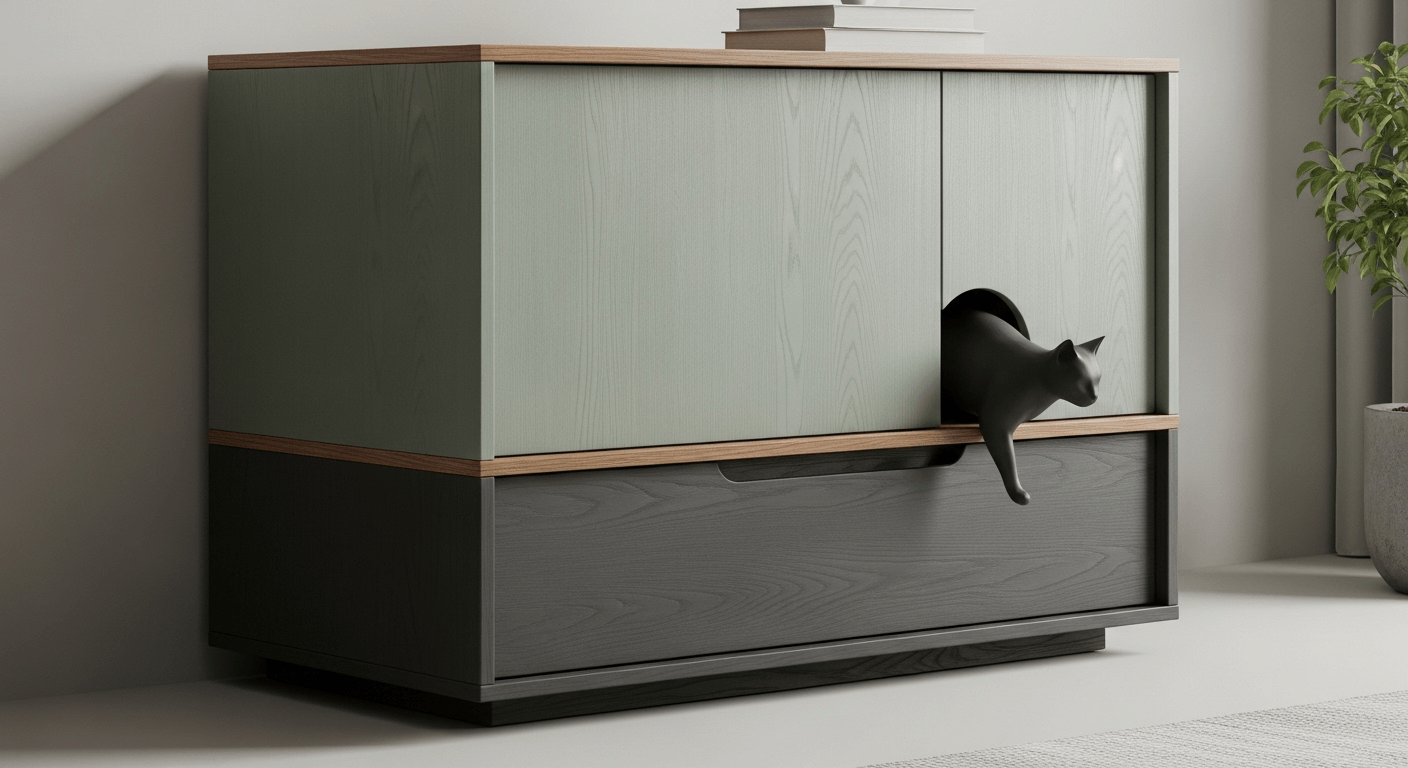
How AI Market Research Revolutionized Pet Product Development
What if you could interview 10 cat owners about their biggest pain points, analyze viral TikTok trends, apply proven business frameworks, and design a breakthrough product—all in 20 minutes? A pet product startup focused on the North American market discovered this was possible with atypica.AI’s AI Research feature.
Traditional pet product market research typically requires weeks of recruiting cat owners, conducting home visits to observe litter box challenges, analyzing competitive products, and synthesizing insights into product specifications. This process often costs $15,000-$25,000 and delays product development by 4-6 weeks. The startup needed fast, reliable consumer insights to design a differentiated litter box that would resonate with modern cat owners before investing in tooling and inventory.
This case study demonstrates how AI-powered consumer research is transforming pet product innovation, making sophisticated insights accessible to startups competing against established brands with massive R&D budgets.
The Challenge: Reinventing a Utilitarian Product
The pet product startup faced the challenge of innovating in the saturated cat litter box market. While most owners view litter boxes as necessary evils, the team believed they could create a product that modern cat owners would actually want to display in their homes.
Before committing to manufacturing, they needed answers to critical questions:
What are the biggest pain points cat owners experience with current litter box solutions?
How do urban apartment dwellers’ needs differ from suburban homeowners?
What aesthetic and functional features would justify premium pricing?
Which social media trends indicate unmet needs in the market?
How can a litter box become shareable content rather than something people hide?
The challenge extended beyond basic functionality to understanding the emotional jobs cat owners hire litter boxes to accomplish—from maintaining guest-ready homes to expressing their design-conscious lifestyles.
The Solution: AI Research with Consumer Psychology Frameworks
The startup used atypica.AI’s AI Research feature, inputting their question: “What product innovations would make North American cat owners excited about a premium litter box?” Atypica’s AI Research Agents orchestrated comprehensive analysis combining Jobs-to-be-Done (JTBD) and Kano Model frameworks.
The AI Research Process
Framework Selection: AI agents recommended combining JTBD methodology to uncover the fundamental goals cat owners seek to achieve, with Kano Model to structure feature prioritization into must-haves, performance features, and delighters that create viral appeal.
Social Media Trend Analysis: Research agents analyzed TikTok and Instagram content from pet influencers and everyday cat owners, identifying viral patterns around litter box frustrations, cleaning routines, and design solutions that generate engagement and shares.
AI Persona Creation: The platform generated 10 diverse personas representing North American cat owners across urban and suburban environments—from design-conscious professionals like Alex and Maya living in open-concept apartments, to proactive pet parents like Sarah and David focused on health monitoring.
Expert Consumer Interviews: AI interviewers conducted in-depth conversations with each persona about their current litter box frustrations, cleaning routines, aesthetic concerns, space constraints, and willingness to pay premium prices for solutions addressing their specific pain points.
Competitive & Market Analysis: Research agents analyzed pricing data from major North American retailers, competitive product reviews, and market positioning to identify gaps in the mid-range segment where innovation could create differentiation.
Strategic Synthesis: The research identified odor control as the highest-impact pain point, mapped three distinct user jobs, applied Kano Model to categorize features, and developed a complete product concept called “The Haven” with specific design specifications and go-to-market strategy.
Breakthrough Consumer Insights
The 20-minute AI research session revealed insights that would typically require weeks of ethnographic home studies and focus groups:
Pain Point 1: Odor Control is the Ultimate Make-or-Break Issue
Analysis revealed odor control as the most frequently cited and highest-impact pain point across all user segments. This transcends basic functionality to become a core enabler of social confidence and home pride.
Chloe Bliss, an urban apartment dweller persona, explained: “Living in a smaller, open-concept space means any lingering odor becomes a major no-go and source of constant stress.” Users aren’t just seeking odor reduction—they’re hiring a litter box to “maintain a guest-ready home environment at all times.”
This insight revealed the social and emotional dimensions of a seemingly functional product. Cat owners feel embarrassment and anxiety about unexpected guests detecting litter box odors, impacting their willingness to invite people over.
Design implication: Advanced odor control isn’t a premium feature—it’s the fundamental job the product must accomplish. Carbon filtration, tight seals, and proper ventilation become non-negotiable rather than nice-to-have additions.
Pain Point 2: Cleaning is the Most Dreaded Aspect of Cat Ownership
User interviews consistently revealed cleaning as the task cat owners most dread, with specific frustrations around both daily maintenance and deep cleaning processes requiring awkward reaching and contorting.
Alex, a graphic designer persona, described the experience: “I have to contort myself to clean my current top-entry box. The whole process is gross and completely disrupts my serene home environment.” The opportunity exists for modular designs that eliminate these physical frustrations.
Design implication: Develop slide-out tray mechanism for effortless daily cleaning and modular shell components that separate for deep cleaning without awkward reaching. Transform cleaning from dreaded chore into simple, hygienic process taking under 2 minutes.
Pain Point 3: Aesthetic Discord in Modern Homes
Modern consumers, particularly those active on social media, view their homes as curated spaces where traditional plastic pet products create visual discord and embarrassment.
Maya explained: “Standard plastic litter boxes are an eyesore that clashes with everything. I want something that blends in seamlessly or looks like a chic piece of furniture.” The research revealed this isn’t vanity—it’s about cat owners feeling their homes truly represent their aesthetic sensibilities.
Design implication: Furniture-integrated designs represent significant differentiation opportunity. Create litter box that doubles as end table or cabinet, transforming necessary pet product into valued home furnishing that enhances rather than detracts from living spaces.
Social Media Trend Analysis Reveals Viral Content Opportunities
The AI research analyzed thousands of pet-related TikTok and Instagram posts to identify content patterns that generate engagement:
Viral Trend 1: Transformation Content
The most viral content features litter boxes disguised as end tables, cabinets, and planters. These designs directly address the “visual intrusion” pain point while creating shareable transformation content showing dramatic before-and-after aesthetic improvements.
Marketing implication: Create content showcasing side-by-side comparisons of traditional plastic boxes versus The Haven integrated into styled rooms. This transformation format naturally generates shares and saves.
Viral Trend 2: Satisfying Clean Videos
Content creators frequently highlight innovative cleaning features like pull-out drawers, detachable components, and non-stick surfaces. The “satisfying clean” video format is particularly viral, with viewers appreciating effortless cleaning demonstrations.
Marketing implication: Produce short videos (15-30 seconds) showcasing the slide-out tray mechanism: smooth extension, quick scoop, seamless return. The satisfying mechanical action combined with hygiene improvement creates highly shareable content.
Viral Trend 3: Sustainability Storytelling
Analysis of user preferences reveals growing demand for sustainable materials, with personas like Sarah and Alex expressing willingness to pay premium prices for products made from recycled materials.
Alex explained: “Sustainability isn’t just about values—it often signals a more thoughtfully designed, higher-quality product.” This connects environmental responsibility with quality perception.
Marketing implication: Highlight recycled materials and sustainable packaging in content, appealing to values-driven audiences while signaling premium quality indicators.
The Three Jobs Cat Owners Hire Litter Boxes to Accomplish
Using Jobs-to-be-Done framework, the research identified three fundamental jobs cat owners need accomplished:
Job 1: “Give Me Back My Time”
Must-Have Features: Basic containment without excessive tracking Performance Features: Modular cleaning systems, tracking control mats Delighter Features: Quiet self-cleaning mechanisms that work reliably
Cat owners with busy lives want to minimize time spent on litter box maintenance without compromising cleanliness or their cat’s comfort.
Job 2: “Keep My Home Guest-Ready at All Times”
Must-Have Features: Effective odor containment systems Performance Features: Carbon filtration, tight-seal construction Delighter Features: Silent air purification that actively removes odors
This job reveals the social anxiety cat owners experience about unexpected guests detecting pet odors, impacting their confidence in their home environment.
Job 3: “Create a Stylish Living Space That Reflects My Taste”
Must-Have Features: Compact footprint that doesn’t dominate rooms Performance Features: Modern design that doesn’t look like pet product Delighter Features: Furniture integration that adds functional value
Design-conscious cat owners want pet products that enhance rather than compromise their carefully curated living spaces.
The Product Concept: “The Haven”
Based on the research findings, the AI agents developed a complete product concept addressing all identified pain points while creating viral content opportunities:
Product Vision: “The Haven is a modular, eco-friendly litter box that looks like a piece of modern furniture, designed to eliminate odor and litter tracking while making deep cleaning effortless.”
Target Persona: “The Style-Conscious Urban Cat Parent” - A composite representing Maya, Alex, and Chloe: ages 25-40, living in apartments or small homes, design and eco-conscious, active on social media, frustrated by odor, cleaning difficulties, and aesthetic compromises of traditional pet products.
Value Proposition: The Haven combines elite aesthetics with revolutionary ease-of-cleaning systems, addressing the two most significant unmet needs in the mid-range market ($80-$150) while creating powerful social media content opportunities.
Must-Have Features (Table Stakes)
Complete Containment: Cat-friendly entry design with effective litter tracking control
Odor-Resistant Materials: BPA-free, non-porous plastic construction that resists odor absorption and staining
Spacious Interior: Accommodates large cats while maintaining compact external footprint
Safety Standards: Non-toxic materials meeting pet product safety regulations
Performance Features (Competitive Differentiation)
Revolutionary Cleaning System: Modular construction with slide-out tray for effortless daily cleaning (30 seconds vs. 5+ minutes)
Modern Minimalist Design: Clean rectangular form with no “pet-themed” visual elements, enabling seamless integration into curated home spaces
Contemporary Color Options: Charcoal grey, sage green, off-white reflecting current interior design trends
Sustainable Construction: Main body from certified 100% recycled plastics, providing tangible sustainability story
Delighter Features (Viral Appeal)
Furniture Integration: Premium version featuring real wood veneer top panel, enabling dual function as end table while maintaining litter box functionality
Modular Components: Shell components that un-clip for thorough deep cleaning and easy maintenance
Social Media Ready: Design specifically created to be aesthetically pleasing in home content and transformation videos
Kano Model Feature Prioritization
The research applied Kano Model analysis to categorize features by their impact on satisfaction:
Customer Job Must-Have Features Performance Features Delighter Features “Give me back my time” Basic containment Modular cleaning, tracking control Quiet self-cleaning “Keep my home guest-ready” Odor containment Carbon filtration, tight seals Silent air purification “Create stylish living space” Compact footprint Modern design Furniture integration
This prioritization guides phased development: Launch with all must-haves and key performance features, then add delighters in premium versions to expand market reach.
Go-to-Market Strategy for Social Media Success
The research provided specific guidance for launching on TikTok and Instagram:
Content Pillar 1: “The Satisfying Clean”
Short videos (15-30 seconds) showcasing the slide-out tray mechanism in action. Follow with modular shell un-clipping and easy rinse demonstration. This satisfying mechanical content generates high engagement and saves.
Content Pillar 2: “Before & After Transformation”
Posts showing traditional plastic litter boxes replaced by The Haven demonstrating integration as stylish end table in curated room settings. Include room styling tips and aesthetic improvement narratives.
Content Pillar 3: “Sustainability Story”
Content highlighting recycled materials, sustainable packaging, and environmental responsibility. Appeal to values-driven audiences while showcasing premium quality indicators that sustainable materials signal.
Influencer Strategy
Target micro-influencers (10K-100K followers) in pet care and home design niches who align with brand aesthetic and values. Focus on creators who demonstrate genuine problem-solving content rather than purely promotional material.
Priority partnerships: Urban cat owners with design-focused accounts, sustainable lifestyle advocates, and “apartment living” content creators who face space constraints.
The Impact: From Concept to Confidence
Short-term results: The startup received comprehensive product specifications, feature prioritization, positioning strategy, and go-to-market plan in 20 minutes. This enabled immediate next steps: prototype development focused on the slide-out mechanism, sustainable material sourcing, and influencer outreach for launch partnerships.
The research cost was equivalent to a coffee, compared to $15,000-$25,000 for traditional product development research with focus groups and in-home ethnographic studies.
Long-term impact: Armed with validated consumer insights, the startup confidently prioritized features that matter most to target users. They understood that:
Odor control and easy cleaning are non-negotiable must-haves, not premium features
Furniture integration creates differentiation and viral content opportunities
Sustainable materials signal quality to target demographics
Social media content strategy must showcase transformation and satisfying mechanical functions
Mid-range pricing ($80-$150) positions against mass-market plastic boxes while remaining accessible
Most importantly, the research revealed that “The Haven” concept addresses genuine unmet needs in a neglected market segment: design-conscious urban cat owners willing to pay premium prices for products that don’t compromise their aesthetic standards or require excessive maintenance time.
Before vs. After: Traditional vs. AI Product Innovation Research
Traditional Pet Product Research:
Timeline: 6-8 weeks from research start to product specifications
Cost: $15,000-$30,000 for focus groups, in-home studies, competitive analysis
Process: Recruit cat owners, conduct home visits to observe litter box use and challenges, run focus groups on design concepts, analyze competitive products, synthesize into specifications
Challenges: Geographic limitations, time-intensive recruiting, observer effects (people behave differently when watched), limited sample diversity, slow iteration
Output: Descriptive pain point report requiring separate design and strategy work
AI Research with atypica.AI:
Timeline: 20 minutes from question to complete product concept with specifications
Cost: Price of a coffee (500-1000× cheaper than traditional methods)
Process: Input research question, AI handles framework application, social media trend analysis, persona creation, expert interviews, competitive analysis, and strategic synthesis into actionable product concept
Advantages: Instant access to diverse personas, social media trend validation, integrated business frameworks (JTBD + Kano), complete product specifications, go-to-market strategy included
Output: Complete product concept (”The Haven”), feature prioritization, positioning strategy, content strategy, influencer partnership guidance, and risk mitigation recommendations
Risk Mitigation and Success Metrics
The AI research identified potential risks and provided mitigation strategies:
Risk: Premium Pricing in Competitive Market High-quality recycled plastics and wood veneer options may push retail price above $100, reducing market competitiveness against $30-$50 mass-market options.
Mitigation: Launch with mid-tier version ($80-$100) establishing market presence, then introduce premium furniture-integrated version ($150-$200) for early adopters willing to pay for delighter features.
Risk: Cat Acceptance Enclosed design and grated entry ramp must maintain cat comfort and acceptance. Entry design requires careful optimization to avoid rejection.
Mitigation: Prototype testing with diverse cat sizes and ages. Ensure entry dimensions exceed industry standards for cat comfort. Provide transition guide for cat acclimation.
Risk: Mechanical Durability Slide-out mechanism durability critical for long-term user satisfaction and brand reputation. Mechanism failure would undermine core value proposition.
Mitigation: Invest in robust mechanical engineering with 100,000+ cycle testing. Offer 2-year warranty on mechanism demonstrating confidence and reducing purchase risk.
Future Innovation Opportunities
The research identified opportunities for future product development:
Health Monitoring Integration: While current user sentiment shows skepticism toward complex automation, there’s strong interest in subtle health monitoring capabilities that provide peace of mind without disruption. Future versions could integrate weight tracking and waste pattern analysis for early health issue detection.
Sustainable Material Innovation: Continued exploration of sustainable materials could yield breakthrough combinations that enhance both environmental credentials and functional performance, potentially using recycled ocean plastics or bio-based composites.
Who Benefits from AI Product Innovation Research?
This cat litter box case demonstrates how AI research serves:
Pet product startups designing innovative solutions for competitive markets
Industrial designers validating product concepts before prototyping investment
E-commerce entrepreneurs identifying unmet needs in established categories
Product managers at pet brands seeking innovation opportunities
Inventors and makers developing crowd-funding campaigns with validated consumer insights
Transform Your Product Innovation with AI Research
Whether you’re developing pet products, home goods, consumer electronics, or any category where understanding user pain points and viral content opportunities matters, atypica.AI’s AI Research provides the insights needed for breakthrough innovation.
By combining Jobs-to-be-Done analysis, Kano Model prioritization, social media trend analysis, and strategic synthesis, the platform delivers complete product concepts in minutes that traditionally require months of research, home studies, and expensive consulting.
The pet product startup’s success demonstrates how rapid, affordable consumer research enables confident innovation decisions. Understanding the emotional jobs your product must fulfill, which features are must-haves versus delighters, and how to create viral content opportunities transforms product development from guesswork into strategic execution.
Visit atypica.ai to experience how AI market research can accelerate your product innovation process. Join entrepreneurs and product teams making smarter design decisions with AI-powered consumer insights that validate ideas before significant investment.
Atypica AI Research is built on a strong technical foundation. Our atypica.AI model runs on Amazon Bedrock Claude and is built on a modern, highly available, cloud-native architecture powered by AWS. From AI engines and infrastructure to container orchestration, databases, and security, Atypica receives comprehensive technical support from AWS, ensuring stability, continuity, and security for every Agent running in production.
Core AI Engine
The “brain” of Atypica.AI is powered by Amazon Bedrock. By leveraging Claude’s advanced long-context understanding and deep reasoning capabilities, Atypica’s Agents can cross-analyze collected information, extract insights, identify trends, and generate high-quality analytical content leading to differentiated commercial intelligence.
Global Database Architecture
To support efficient global information retrieval and low-latency service delivery, Atypica uses Amazon Aurora Global Database. This AWS-exclusive feature enables us to deploy a single database across multiple AWS Regions.
The primary Region handles write operations, while read-only replicas around the world synchronize data with sub-second latency, ensuring users always have fast access to up-to-date information—making near real-time global insights possible.