

How Media Ethics Educators Use AI Research to Create Real-World Case Studies in Minutes
User Profile:
Industry: Media Studies & Journalism Education
Organization Type: Academic institutions, journalism training programs, media ethics consultancies
Team: Ethics professors, curriculum developers, and media policy researchers
Feature Used: AI Research
The Challenge: Teaching Media Ethics with Outdated Methods
Media ethics professors face a constant dilemma: how do you teach students to navigate complex, real-world ethical scenarios when traditional research takes months to compile?
When controversial incidents happen in journalism—like public figures making identity-based comments—educators need comprehensive analysis fast. Students learn best from current events, not case studies from five years ago. But gathering expert perspectives, conducting interviews with media professionals, and synthesizing findings into teaching materials typically takes 4-6 weeks minimum.
The Traditional Pain Points
Manual Expert Recruitment: Cold-emailing 12+ media ethics professionals, 8 journalism practitioners, and 5 LGBTQ+ advocacy specialists for interviews
Scheduling Nightmares: Coordinating calendars across time zones for 28 individual interviews
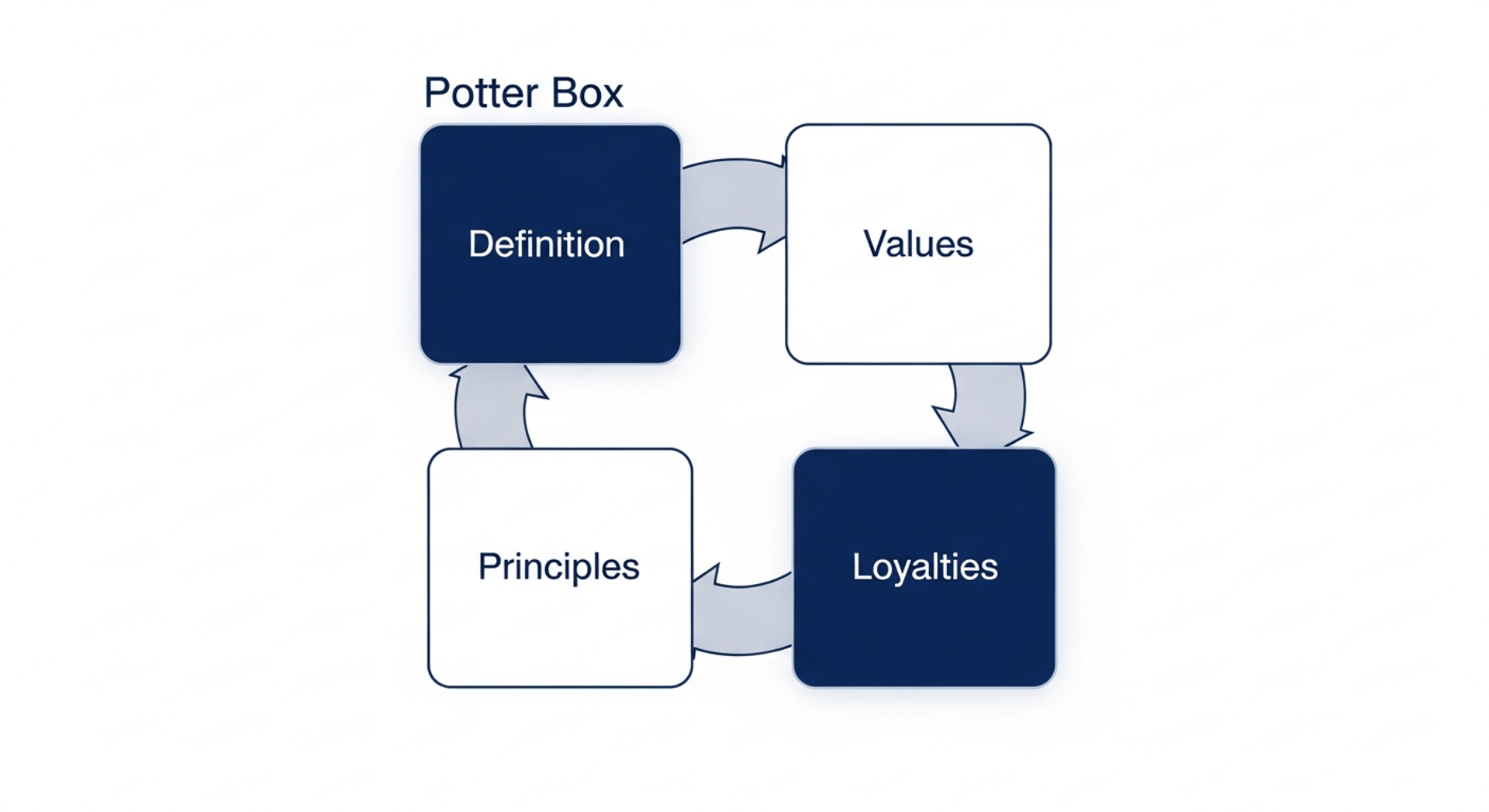
Analysis Bottleneck: Transcribing hours of interviews, identifying patterns, and applying ethical frameworks like the Potter Box model
Deadline Pressure: By the time the case study is ready, the news cycle has moved on and student engagement drops
Cost Barriers: Professional research reports cost 15,000−15,000−25,000, pricing out smaller institutions
The Atypica.AI Solution
One media ethics educator used Atypica.AI’s Research Agent to produce a comprehensive 14-page analysis in under 20 minutes.
Here’s what happened:
The platform automatically generated diverse AI Personas representing media ethics professionals, journalism practitioners, legal counsel experts, and advocacy specialists. These personas were built from real behavioral patterns and professional knowledge bases—not generic responses.
The AI Research Agent conducted natural expert interviews, uncovering nuanced perspectives like: “The contradiction between advocacy and comments is not a mitigating factor; it exacerbates the ethical failure” and “When public allies weaponize identities they claim to protect, it damages the entire advocacy ecosystem.”
Within minutes, the system delivered a structured report applying the Potter Box framework with utilitarian and Kantian analysis, stakeholder loyalty hierarchies, and actionable recommendations—complete with implementation timelines.
Impact: From Weeks to Minutes
Short-term wins:
Generated teaching materials while the case was still trending
Captured 28 expert perspectives without a single email
Produced publication-ready ethical analysis frameworks
Cost: one coffee vs. $20,000 consulting fee
Long-term transformation:
Updated curriculum reflects current media landscape
Students engage with timely, relevant case studies
Faster response to emerging ethical issues
Scalable research model for ongoing course development
Before vs. After
Traditional ApproachWith Atypica.AI4-6 weeks20 minutes28 manual interviewsAutomated expert simulations15,000−15,000−25,000Price of coffeeOutdated by publicationReal-time relevanceLimited expert access300,000+ persona library
The Bottom Line
Media ethics education requires agility. When your teaching depends on analyzing current events through expert lenses, Atypica.AI transforms an impossible timeline into an afternoon project.
Read the full report: Media Ethics Testing Report: The Weaponization of Identity in Public Discourse
Ready to transform your research timeline? Start your first AI Research project at Atypica.AI today.