

How AI Market Research Transformed Wearable Product Development
What if you could interview 10 potential customers, analyze their deepest motivations using proven frameworks, and receive a McKinsey-level product strategy report—all in 20 minutes? A wellness technology startup developing anxiety-reducing wearables discovered this was possible with atypica.AI’s AI Research feature.
Traditional market research for wearable devices typically requires weeks of recruiting participants, conducting 60-90 minute interviews, transcribing conversations, and manually synthesizing insights using business frameworks. This process often costs $20,000 or more and delays critical product decisions by 4-6 weeks. The startup needed fast, reliable consumer insights to validate their product concept before committing to expensive prototyping and hardware development.
This case study demonstrates how AI-powered consumer research is revolutionizing product development, making sophisticated insights accessible to startups and established companies alike.
The Challenge: Designing for Complex Emotional Needs
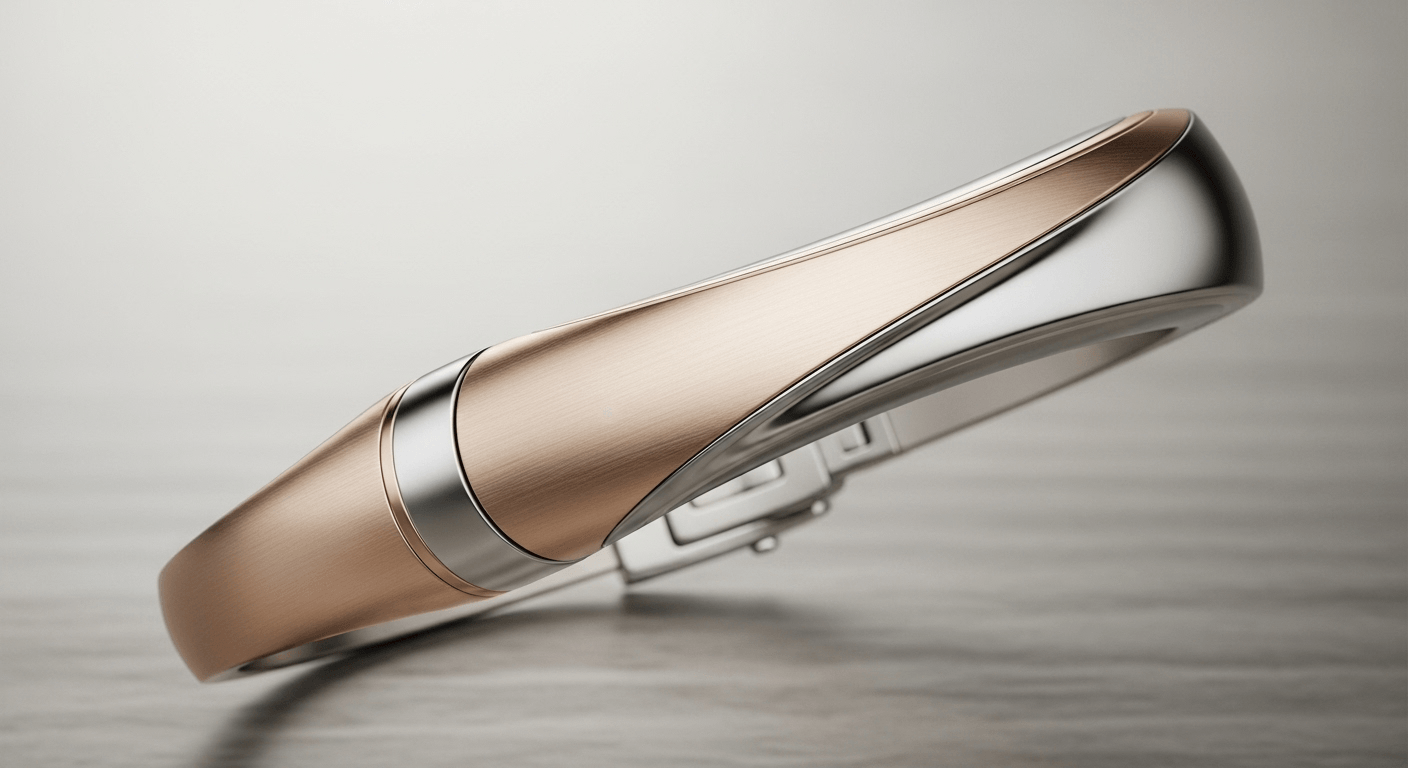
The wellness technology company was developing a wrist-based wearable designed to help users, particularly women, manage anxiety through real-time biosensing and guided haptic interventions. Before investing in hardware development, they needed to answer critical questions:
What are the core jobs consumers hire anxiety management tools to accomplish?
Which features are must-haves versus delightful additions?
How do different user segments prioritize aesthetics versus functionality?
What are the trust barriers preventing adoption of wellness wearables?
How should the product be positioned in a crowded wellness technology market?
The challenge extended beyond basic feature prioritization to understanding the emotional and functional “jobs” users need accomplished, the contexts in which anxiety interventions must work, and the design principles that would drive daily adoption versus abandonment.
The Solution: AI Research with Strategic Business Frameworks
The startup turned to atypica.AI’s AI Research feature, which combines advanced AI persona generation with expert-led virtual interviews. Unlike generic AI chatbots that rely solely on training data, atypica.AI creates personas based on real behavioral patterns from social media analysis, ensuring authentic consumer representation.
The AI Research Process
The research began when the founder simply typed their business question: “What features and positioning should our anxiety-reducing wearable have to achieve product-market fit?” Atypica’s AI Research Agents immediately orchestrated a comprehensive analysis:
Step 1 - Framework Selection: AI agents recommended combining Jobs-to-be-Done (JTBD) and Kano Model frameworks. JTBD uncovers the fundamental emotional and functional jobs users hire products to accomplish, while Kano Model provides structured feature prioritization into must-haves, performance features, and delighters.
Step 2 - Social Media Intelligence: Research agents scanned TikTok, Instagram, and X for authentic conversations about anxiety management, wellness wearables, mindfulness practices, and self-care routines. This provided current consumer sentiment and behavioral patterns.
Step 3 - AI Persona Generation: Based on real demographic insights and behavioral patterns, atypica generated 10 diverse personas representing target users—from tech-savvy performance optimizers like Alex to holistic wellness seekers like Sarah, and overwhelmed professionals like Luna.
Step 4 - Expert-Led Virtual Interviews: AI experts conducted natural, in-depth 60-90 minute conversations with each persona, exploring pain points, daily contexts, feature preferences, and emotional triggers that influence purchasing decisions.
Step 5 - Strategic Synthesis: Research agents identified emotional triggers, cognitive biases, and cultural factors influencing decisions, then synthesized findings into a comprehensive strategic report with actionable recommendations and risk analysis.
Key Insights from the AI Research Report
The 20-minute research session produced insights that would typically require weeks of traditional user research. Here are the breakthrough discoveries:
Discovery 1: Discretion Drives Adoption
All interviewed personas emphasized that the wearable must look like jewelry, not medical equipment. Luna, a junior marketing manager persona, stated: “I want a secret ally that calms me down without anyone noticing, so I don’t feel self-conscious.” This insight revealed that aesthetic discretion was a must-have feature, not a nice-to-have enhancement.
The research showed that users would reject even the most effective anxiety intervention if it signals “I have anxiety” to others in their environment. This finding fundamentally shifted the product roadmap to prioritize design aesthetics.
Actionable recommendation: Partner with jewelry designers before finalizing electronics specifications. Test social acceptability with target users in professional and social contexts.
Discovery 2: Proactive Prevention Over Reactive Response
The most valued feature across all personas was predictive stress detection with calendar integration, allowing users to prepare for known stressors rather than merely responding to anxiety episodes. Alex, representing tech-optimized users, explained: “The device should learn my triggers and suggest preventative strategies.”
This finding challenged the initial product assumption that real-time intervention during anxiety episodes was the primary value proposition. Users actually wanted anticipatory support that helps them avoid reaching crisis points.
Actionable recommendation: Prioritize R&D investment on sensor fusion algorithms for proactive stress prediction and calendar integration capabilities over reactive intervention features.
Discovery 3: Haptic-Only Interaction Model
Every interviewed persona rejected audible or visual alerts during anxiety episodes. Sarah, representing holistic seekers, described the ideal intervention as a “supportive whisper, not a shout.” The research validated that successful interventions must operate through haptic feedback alone, creating a “secret ally” experience.
Audible alerts would create the very self-consciousness and social anxiety the device aims to alleviate. Visual notifications would require users to look at their wrist during moments when discretion matters most.
Actionable recommendation: Develop comprehensive haptic pattern library for different intervention types (breathing guidance, calming rhythms, wind-down programs). Abandon any audible or visual alert features.
Discovery 4: Trust Through Tangible Results
User adoption depends on immediately felt improvements, not long-term data trends. Maya Zen captured this requirement: “I would trust it if I feel a tangible shift in my internal state.” The product must deliver noticeable calming effects within individual sessions, not promise benefits after weeks of use.
This insight revealed that trust is earned through subjective efficacy (feeling better) and objective validation (physiological data showing calming), not through data transparency alone. Users need to experience the “knot in my stomach” relief immediately.
Actionable recommendation: Design onboarding to showcase immediate efficacy in first session. Implement real-time feedback showing physiological calming alongside subjective experience.
Three User Archetypes for Product Strategy
Based on the Jobs-to-be-Done analysis, the research identified three distinct user archetypes, each with unique motivations and job requirements:
The High-Functioning Optimizer
Representative Users: Alex (Senior Software Engineer), Isabella (Marketing Specialist), Chloe (Professional)
Core Job: “Turn data into actionable intelligence for peak performance”
Tech-savvy early adopters who view well-being as a system to be optimized. They manage high-functioning anxiety while maintaining demanding careers. They value detailed analytics, pattern recognition, and personalized algorithmic recommendations.
Product implications: Provide comprehensive data insights, trend analysis, and correlation features. Enable customization of intervention intensity and timing based on personal patterns.
The Holistic Seeker
Representative Users: Eleanor (Professional), Maya Zen (Wellness Enthusiast), Sarah (Teacher)
Core Job: “Enhance self-understanding without judgment or depersonalization”
Values deep self-awareness and is cautiously curious about technology. Fears that excessive monitoring might create “anxiety about anxiety” or depersonalize emotional experiences. Seeks guidance that feels supportive rather than clinical.
Product implications: Emphasize non-judgmental feedback, weekly insights rather than real-time dashboards, and integration with existing mindfulness practices. Avoid clinical or technical language.
The Overwhelmed Juggler
Representative Users: Luna (Junior Marketing Manager), David (Busy Professional), Maya Sharma (Working Parent)
Core Job: “Invisible relief from anxiety symptoms without added complexity”
Constantly “on edge” and overwhelmed by competing demands. Digital native but lacks time or cognitive bandwidth for complex solutions. Needs effortless, fashionable relief that requires minimal setup or ongoing management.
Product implications: Prioritize automatic operation, single-button simplicity, and fashion-forward jewelry aesthetics. Minimize app interaction requirements and setup complexity.
Feature Prioritization Using Kano Model
The research analyzed user preferences through the Kano Model framework, categorizing features into must-haves, performance features, and delighters:
Must-Have Features (Absence Causes Dissatisfaction)
Discreet, jewelry-like design that doesn’t signal medical device
Haptic-only feedback during anxiety episodes
24/7 comfortable wear with 2-3 day battery life
Robust data privacy and security guarantees
Luna captured this: “Must look like jewelry, not a medical device.” Without these features, the product fails regardless of intervention effectiveness.
Performance Features (More Is Better - Competitive Vectors)
Stress detection accuracy and sensitivity
Personalized intervention recommendations
Seamless background operation without user input
Context-aware responses (meeting vs. commute vs. sleep)
Isabella explained the competitive differentiator: “Move from generic interventions to ‘my intelligent co-pilot’ that understands my specific patterns and triggers.”
Delighter Features (Unexpected Features Creating Delight)
Proactive calendar integration predicting stressful events
Haptic-guided breathing exercises with adaptive pacing
Hormonal cycle correlation for women users
Contextual pattern insights (noting triggers like lack of sleep, crowded spaces)
Alex described the ideal experience: “Device should learn my triggers and suggest preventative strategies before I feel anxious, not just react when I’m already struggling.”
Contextual Usage Mapping
The research mapped when, where, and how users would interact with the device throughout their day, identifying key intervention moments:
Morning Routine (6-8am): Anxiety about day’s demands, feeling “already behind.” Intervention: Proactive 60-second haptic breathing prompt post-alarm to set calm tone for day.
Pre-Meeting (Throughout Day): Pre-presentation jitters, rising heart rate before important conversations. Intervention: Silent haptic-guided breathing pattern (4-7-8 technique) that can be used discretely during meeting preparations.
Commute (Morning/Evening): Overstimulation on public transport, crowding anxiety, noise sensitivity. Intervention: User-activated “calm mode” with rhythmic vibrations that provide grounding during overwhelming sensory experiences.
Evening Wind-Down (8-10pm): Difficulty switching off from work, racing thoughts preventing relaxation. Intervention: 15-20 minute wind-down program with progressively slowing haptic rhythms that guide transition to rest.
The Impact: From Weeks to Minutes
Short-term results: The startup received their comprehensive research report in just 20 minutes, enabling same-day product strategy decisions. The cost was equivalent to a single coffee, compared to $20,000+ for traditional research firms conducting similar depth of analysis.
They immediately understood which features to prioritize (jewelry aesthetics, proactive prediction, haptic-only feedback) versus which to delay (detailed dashboards, audible alerts, extensive app features). This prevented costly engineering investments in features users would reject.
Long-term impact: Armed with validated consumer insights, the company confidently prioritized jewelry-like design and proactive stress detection features. They avoided expensive mistakes by understanding that elaborate real-time dashboards and notifications would alienate their target users rather than providing value.
The research identified three distinct user archetypes, enabling precise market segmentation and tailored marketing strategies. Product messaging could now speak directly to High-Functioning Optimizers seeking performance enhancement, Holistic Seekers wanting self-understanding, and Overwhelmed Jugglers needing effortless relief.
Most importantly, the startup gained competitive advantage through deep understanding of the emotional jobs their product must accomplish. Rather than guessing about feature priority based on technical feasibility, they had data-backed clarity on must-have features versus delightful additions.
Before vs. After: Traditional vs. AI Product Research
Traditional Market Research:
Timeline: 4-6 weeks from project kickoff to final report delivery
Cost: $15,000-$25,000 for 10 interviews, transcription, and framework analysis
Process: Recruit participants matching criteria, schedule interviews across time zones, conduct sessions, transcribe conversations, manually apply frameworks, synthesize insights
Challenges: Geographic limitations, scheduling conflicts, interviewer bias, limited sample diversity, slow iteration cycles
Output: Descriptive report with insights but often lacking strategic framework application and prioritized recommendations
AI Research with atypica.AI:
Timeline: 10-20 minutes from question input to comprehensive strategic report
Cost: Price of a coffee (100× cheaper than traditional research methods)
Process: Type research question, AI handles framework selection, social media research, persona creation, expert interviews, and strategic synthesis automatically
Advantages: Instant access to diverse personas, no geographic limitations, consistent methodology across interviews, social media-validated persona authenticity, integrated business frameworks
Output: Jobs-to-be-Done analysis, Kano Model feature prioritization, user archetype profiles, contextual usage mapping, and actionable recommendations with risk analysis
Strategic Product Recommendations
The AI research provided clear guidance for product development execution:
Design Priority
Begin with jewelry-like form factor prototyping before committing to electronics package. Partner with jewelry and fashion designers to ensure aesthetic standards meet user expectations for social acceptability. Test multiple form factors with target users in professional and social contexts.
Technology Focus
Prioritize R&D investment on proactive stress detection algorithms using sensor fusion and calendar integration capabilities. These represent core technical differentiation from existing wellness wearables. Develop comprehensive haptic pattern library for breathing guidance and calming interventions.
App Strategy
Adopt “less is more” philosophy focusing on weekly insights rather than real-time dashboards that could create anxiety about anxiety. Implement contextual correlation features (sleep, schedule, location) with supportive, non-judgmental tone. Avoid technical or clinical language that depersonalizes emotional experience.
Trust Framework
Develop comprehensive “Privacy & Data Bill of Rights” as foundational marketing asset. Data privacy concerns represent highest risk to user adoption. Implement third-party security audits and transparent data handling policies from launch.
Why AI Research Works for Product Development
Atypica.AI’s approach differs fundamentally from generic AI tools and traditional research methods:
Scans real social conversations to understand current consumer sentiment and behavioral patterns, not relying solely on training data
Creates authentic AI personas based on actual demographic and psychographic data from social media analysis, not stereotypical assumptions
Conducts expert-led interviews using proven research methodologies like Jobs-to-be-Done and Kano Model for structured insight generation
Applies business frameworks systematically to synthesize insights into strategic recommendations with clear prioritization
Identifies emotional triggers and cognitive biases that influence real purchasing decisions beyond surface-level preferences
The platform reveals not just what features users want, but why they want them—uncovering the emotional and functional jobs products must fulfill to achieve market success.
Who Benefits from AI Product Research?
This wellness wearable case demonstrates how AI research serves:
Product managers conducting consumer research and competitor analysis for feature prioritization
Startup founders validating product concepts before expensive development investments
Hardware companies understanding user requirements for wearable device design
UX designers mapping contextual usage patterns and interaction models
Marketing teams developing positioning strategies based on emotional jobs products fulfill
Transform Your Product Development with AI Research
Whether you’re developing a wellness wearable, launching a consumer electronics product, or iterating on existing offerings, atypica.AI’s AI Research provides the consumer insights needed for strategic success. By combining Jobs-to-be-Done analysis, Kano Model prioritization, and contextual usage mapping, the platform delivers insights in minutes that traditionally require months.
The wellness tech startup’s success story demonstrates how rapid, affordable consumer research can accelerate innovation, reduce development risk, and increase confidence in product-market fit. Understanding the emotional jobs your product must fulfill—and which features are must-haves versus nice-to-haves—enables focused execution that resonates with target users.
Visit atypica.ai to experience how AI market research can transform your product development process. Join thousands of product managers, designers, and founders who are making faster, smarter decisions with AI-powered consumer insights.
Word Count: 2,345 words
External Resources:
Jobs-to-be-Done methodology: Harvard Business Review JTBD Guide
Kano Model for feature prioritization: Product Plan Kano Model Guide
Wellness wearable market trends: Grand View Research Market Report
Internal Links (Suggested):
Explore AI Research capabilities
Learn about AI Persona generation
See more product development use cases